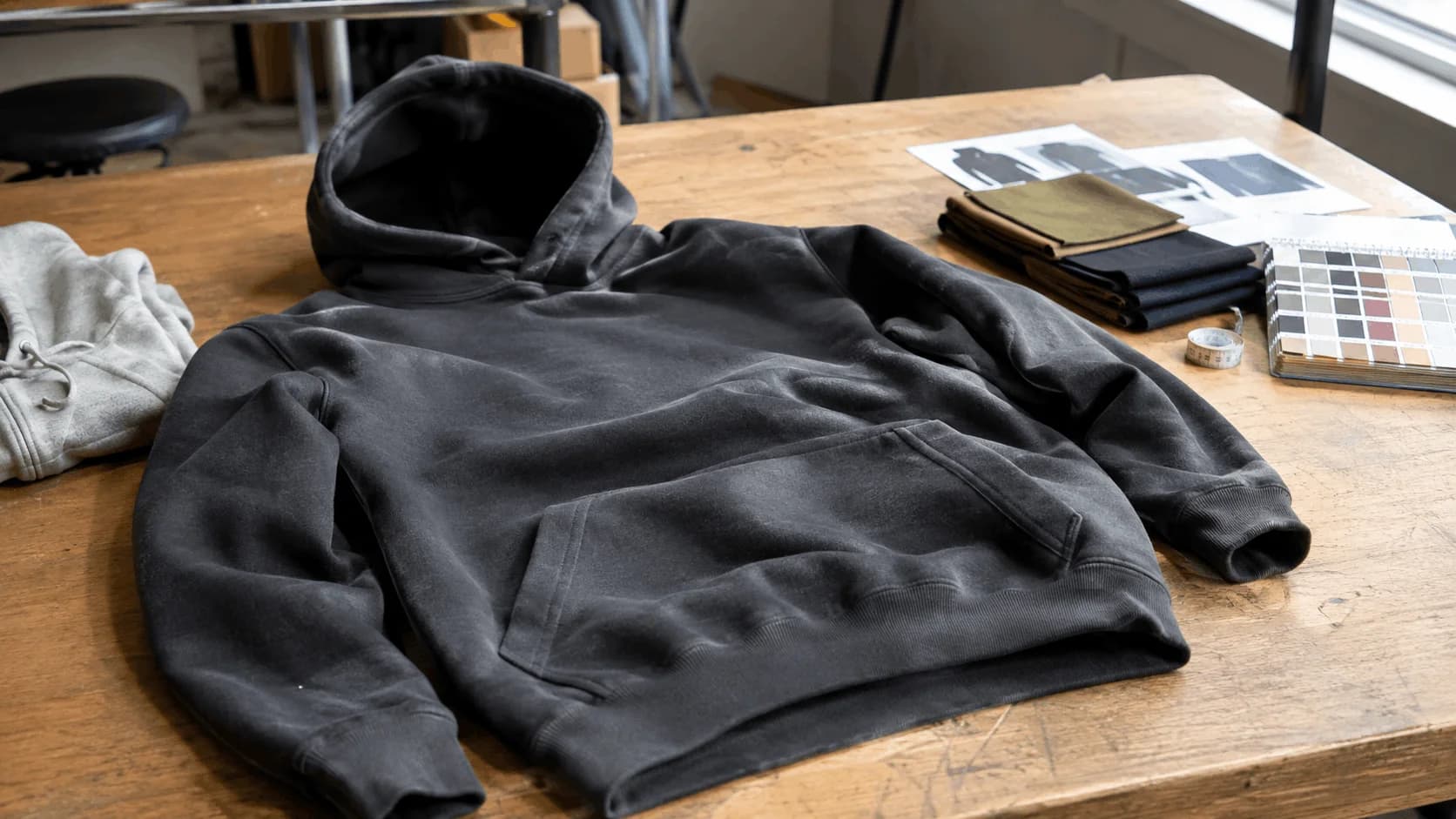
Why Brands Are Choosing Premium Custom Hoodies
August 24, 2026
A hoodie used to be one of the easiest pieces of branded apparel to order. Pick a basic sweatshirt, add the company logo, choose a few colors, and buy enough for the team.
That approach still works, but brands are becoming much more selective about the garment itself.
Businesses and organizations are paying closer attention to fabric weight, fleece construction, softness, fit, stitching, and how a hoodie will hold up after months of wear. The decoration still matters, but increasingly, the sweatshirt underneath it matters just as much.
In other words, custom hoodies are moving beyond simple promotional apparel.
People are more selective about what earns space in their closets. If a hoodie feels thin, fits awkwardly, or loses its shape after a few washes, a logo will not make someone want to keep wearing it.
A heavier, softer, better-made hoodie creates a different reaction. It feels considered rather than disposable, and for brands that care about how they are perceived, that difference matters.
Why Custom Hoodies Matter More Than They Used To
Hoodies occupy an unusual place in branded apparel because they can do several jobs at once.
They are casual enough for everyday wear but can still feel premium. They work for employees, customers, events, merchandise, teams, and company gifts. They can be part of a uniform without looking formal and also function as a retail product people are willing to buy.
That versatility is one reason custom hoodies have become so valuable.
A good hoodie also travels beyond the place where it was handed out. An employee may wear it at work and again on the weekend. A customer may buy one because they genuinely like it. A fan may keep wearing the same hoodie for years if the fit and fabric hold up.
That repeat wear creates more lasting brand visibility than apparel worn once and forgotten. The strongest branded garments do not feel like advertisements. They feel like clothes people would have chosen anyway.
The Old Promotional Hoodie Is Losing Its Appeal
There will always be a place for affordable apparel. Not every fundraiser needs heavyweight fleece, and a one-day campaign or large giveaway may still be better served by a straightforward, budget-conscious sweatshirt.
The problem starts when brands use the same low-cost approach for garments they expect people to wear regularly.
Thin fabric can feel inexpensive. Weak cuffs may stretch, fleece may lose some of its original softness, and a hoodie that looked perfectly acceptable when new can gradually feel less substantial after regular wear and washing.
Consumers notice these things even without knowing the technical language. They notice when one hoodie feels substantial, whether the hood sits properly, whether the cuffs recover, and whether the garment still feels good months later.
That is why more brands are looking beyond the cheapest option. They are buying the experience around the logo, not simply a place to print it.
Why Heavyweight Hoodies Are Having a Moment
One of the clearest shifts in custom apparel is the increased attention being paid to heavyweight hoodies.
Part of the appeal is immediate. A heavier sweatshirt feels substantial as soon as you pick it up. It often drapes differently, holds its shape better, and creates the tactile impression people associate with premium streetwear and higher-end retail apparel.
Fabric weight is commonly described in ounces per square yard or GSM, which stands for grams per square meter. A higher number generally means more fabric mass, but weight alone does not determine quality. Fiber choice, knitting, finishing, stitching, ribbing, construction, and fit all influence how the garment ultimately performs.
That distinction matters.
A heavy hoodie made poorly is still a poor hoodie. A thoughtfully constructed midweight sweatshirt may be a much better choice for an active employee, a warmer climate, or a customer who prefers easier layering.
Heavier fleece tends to make the most sense for cooler conditions, premium merchandise, outdoor teams, employee gifts, lifestyle brands, and customers who want something more substantial.
The goal is not to chase the highest GSM possible. It is to choose a weight and construction that make sense for how the hoodie will actually be worn.
Softness Is Now Part of the Product
Weight is easy to compare. Softness is what people tend to remember once they start wearing the hoodie.
A sweatshirt can look excellent in a product photo and still disappoint if the inside feels rough, stiff, or overly synthetic. That is especially important for premium hoodies, where comfort becomes part of the perceived value.
Brushed fleece interiors, smoother face fabrics, balanced cotton blends, and better finishing can make a hoodie noticeably more wearable. These details matter for customers, but they matter just as much for employees.
People are more likely to reach for company apparel when it feels comfortable enough for everyday use. A hoodie that feels good naturally becomes part of the weekly rotation, while an uncomfortable one tends to appear only when required.
From a branding standpoint, that difference matters. Apparel only creates visibility when people choose to put it on.
Premium Does Not Mean Luxury
A premium hoodie does not have to be designer clothing or carry an unusually high price. It simply needs to feel meaningfully better than a basic promotional sweatshirt.
That difference may come from fabric weight, softness, stitching, fit, ribbing, hood shape, drawcords, zipper hardware, or how well the garment holds its form after washing.
Often, the upgrades are subtle.
A stronger waistband can help the hoodie retain its shape. A better-fitting hood sits more naturally. Cleaner seams improve the overall finish. A smoother outer surface may also provide a better foundation for printing.
Those details influence more than comfort. They affect brand positioning too.
If a company presents itself as polished, reliable, or quality-focused, cheap-feeling apparel can seem inconsistent with the rest of the experience. A better garment reinforces the attention to detail customers may already see in the website, packaging, service, vehicles, or employee presentation.
Premium custom apparel does not create a premium brand on its own, but it can support one.
Custom Hoodies Are Becoming Real Merchandise
More businesses are treating branded hoodies as merchandise rather than giveaways, and that changes the standard immediately.
A person receiving a free sweatshirt may accept a basic garment without thinking much about it. A paying customer will compare it with other clothes they already own.
Fit, softness, fabric weight, print quality, stitching, hood construction, and wash performance all become part of the purchase.
This is especially relevant for personalized hoodies and branded merchandise.
Businesses selling apparel need to think more like apparel buyers and less like advertisers. A useful test is simple: Would someone still want this hoodie if the logo belonged to another brand?
If the answer is yes, the garment probably has value beyond the branding.
The logo may attract attention, but the hoodie itself has to justify the purchase.
Fit Is Finally Getting the Attention It Deserves
For years, branded sweatshirts were often selected mainly by price, color, and availability. Fit came later.
That is changing.
Some audiences want an oversized streetwear silhouette. Others prefer a cleaner standard fit. Employees may need room to move without looking sloppy, while retail customers may expect more deliberate proportions.
Body length matters. So do the shoulders, sleeve length, hood size, cuffs, and waistband.
A strong design printed on a badly fitting hoodie is still a disappointing product.
Size charts help, but measurements cannot fully explain how a sweatshirt sits on a real person. Before a large order, try the garment. If possible, let several people wear the sample, especially if it will be used as employee apparel or sold as merchandise.
A little time spent checking fit can prevent a much larger problem after hundreds of pieces are decorated.
Better Hoodies Need the Right Decoration
Premium garments are also changing decoration choices.
A smoother, more stable fabric can provide a better base for decoration. Screen printing works well for many bold logos and larger graphics. DTF can handle detailed, full-color designs. Embroidery can give smaller logos and wordmarks a more structured appearance.
There is no single method that works best for all custom sweatshirts. Artwork, garment, fabric, quantity, and desired finish need to be considered together.
A small left-chest logo may look excellent embroidered, while a large back design may be better suited to printing. A colorful illustration may require a different process from a simple one-color mark.
The decoration also needs to work with the garment itself.
A high-quality hoodie can still feel inexpensive if the decoration is oversized, overly stiff, poorly placed, or simply mismatched with the style of the sweatshirt.
Minimal Branding Often Feels More Premium
As the garment improves, brands often discover that the artwork can become simpler.
A small chest mark, clean back graphic, embroidered wordmark, or subtle sleeve detail may be enough. That tends to feel more wearable than covering a hoodie with a phone number, web address, service list, social handles, and several promotional messages.
There are exceptions. Events, schools, sports teams, fundraisers, tours, and campaigns may legitimately need larger graphics or more information.
But businesses that want their hoodies worn outside the original setting should ask a simple question: Does this look like apparel, or does it look like an advertisement?
Color plays into the same decision.
Black, navy, charcoal, and gray remain useful because they are versatile and easy to brand. Premium garments also open the door to muted greens, washed colors, earthy neutrals, browns, off-whites, and vintage-inspired tones.
Whatever the color, contrast matters. If hoodies are part of a larger custom apparel program, they should also feel related to the brand's T-shirts, hats, jackets, polos, and other pieces.
Better Apparel Can Improve Employee Buy-In
The move toward premium hoodies is not only about customers. It can also change how employees respond to branded apparel.
Uniform programs are easier to maintain when people like the clothes they are asked to wear. A comfortable hoodie can become a practical layer across many jobs and work environments.
This does not mean every employer needs expensive sweatshirts. It means comfort should be part of the buying decision.
If someone is expected to spend an eight-hour shift in a branded garment, fabric, fit, movement, and temperature matter. A hoodie that looks professional but feels hot, restrictive, or poorly fitted will eventually create resistance.
Employees who genuinely like their company apparel may also choose to wear it outside work, extending brand visibility naturally rather than forcing it.
Durability Matters as Much as First-Day Softness
Softness creates a strong first impression. Durability determines whether that impression lasts.
When comparing hoodies, look beyond how the fleece feels when it is brand-new. Check the fabric construction, cuff and waistband ribbing, seam quality, hood structure, and the surface where the decoration will sit.
Those details help explain why two sweatshirts with similar weights can perform very differently in everyday use.
A premium hoodie should not become disappointing after a handful of washes. Consider whether the ribbing will recover after stretching, the body will hold its shape, the fleece will remain comfortable, and the decoration will stay intact. On zip hoodies, hardware quality matters too.
These questions become more important as wear frequency increases.
A one-day giveaway does not need the same performance as an employee hoodie worn several times a week. Retail merchandise, however, should meet the expectations created by its selling price.
Sometimes a more expensive hoodie is the better value. If a cheap sweatshirt is worn twice and forgotten while a better one becomes a favorite for two years, the premium option may deliver far more satisfaction, visibility, and long-term value.
Quality is not only about the first impression. It is about how long that impression survives.
Heavyweight Is Not Right for Every Brand
The popularity of heavyweight hoodies does not mean every business should order them.
A fitness studio may prefer a lighter sweatshirt customers can layer before and after workouts. A landscaping company in a warm climate may need a breathable midweight garment. A coffee shop may want soft, retail-inspired custom sweatshirts employees can comfortably wear indoors.
A streetwear brand, by contrast, may deliberately choose substantial fleece, oversized proportions, and heavier construction because those characteristics are part of the product identity.
The smartest brands are not chasing a fashionable GSM number.
They are choosing what makes sense for the person wearing the hoodie.
That is the real point of the shift toward premium custom hoodies: better decisions, not simply heavier fabric.
Sample First, Especially When the Hoodie Is Premium
Premium apparel is one category where buying entirely from a screen is risky.
Specifications, reviews, and photos help, but none replaces handling the garment. Before a large order, request a sample, wear it for several hours, wash it, and inspect the fit, hood, ribbing, cuffs, and fabric afterward.
For employee apparel, let an employee test it. For merchandise, ask whether the hoodie feels consistent with the price you plan to charge.
The artwork deserves the same attention.
Low-resolution logos can become blurry when enlarged. Fine lines can disappear in embroidery. Complicated graphics may lose clarity on textured fleece.
Whenever possible, start with clean vector artwork and work with the decorator on size, line thickness, placement, color, and production method.
The finished design should look as though it was created for that hoodie, not simply transferred onto it.
The Best Hoodie Strategy Starts With the Wearer
The most important lesson behind the move toward premium custom hoodies is not that every brand should buy heavier fleece.
It is that the wearer should be central to the purchasing decision.
How will the hoodie actually be used? Will it remain comfortable after several hours? Does the weight suit the climate? Will the fit work for the intended audience? How often will it be washed? Is the design something people would willingly wear away from work?
Those questions lead to better apparel because they focus on real behavior rather than assumptions.
A hoodie does not create value simply because a company logo is printed on it.
It creates value when someone keeps choosing to wear it.
Final Thoughts
The growing demand for heavier, softer, more premium custom hoodies reflects a broader change in branded apparel.
Businesses are realizing that the garment itself matters just as much as the logo. People want clothing that feels comfortable, fits well, lasts through regular wear, and looks like something they might have chosen even without a company name on the chest.
That is why heavyweight fleece, softer interiors, better construction, stronger fits, cleaner decoration, and more thoughtful colors are receiving more attention.
The goal is not to make every hoodie expensive.
It is to choose the right hoodie for the job.
A one-day giveaway may still call for a simple, economical sweatshirt. Employee apparel may need durability, comfort, and easy care. Retail merchandise may require a more considered fit and finish. Customer gifts may need to feel special from the moment someone picks them up.
The brands getting this right are no longer asking only how many hoodies they can buy for a particular budget. They are also asking what kind of hoodie people will genuinely want to wear.
That is the difference between promotional clothing and effective custom apparel.
And it is why premium sweatshirts, personalized hoodies, and branded fleece are increasingly being treated less like promotional merchandise-and more like real clothing.
Frequently Asked Questions
Why are heavyweight hoodies becoming more popular?
Heavyweight hoodies feel more substantial, often hold their shape better, and can create a more premium, retail-inspired look. They work especially well for merchandise, employee apparel, lifestyle brands, and cooler-weather use. However, heavier does not automatically mean better; fabric construction, fit, softness, and intended use matter just as much.
What makes a custom hoodie feel premium?
A premium custom hoodie usually combines quality fabric, a soft interior, consistent stitching, strong ribbing, a well-shaped hood, comfortable fit, and clean decoration. Details such as durable cuffs, smooth fleece, good zipper hardware, and thoughtful logo placement can make the finished garment feel noticeably more refined.
What does GSM mean when choosing a hoodie?
GSM stands for grams per square meter and is a common way to describe fabric weight. A higher GSM generally means a heavier fabric, but it does not automatically mean higher quality. Fiber composition, knitting, finishing, construction, and fit also affect how a hoodie feels and performs.
Are heavyweight hoodies better for custom printing?
Heavyweight hoodies can provide a stable surface for certain types of decoration, but the best method depends on the fabric and artwork. Screen printing, DTF, and embroidery can all work well on custom hoodies when the decoration method is matched to the garment and design.
Are premium custom hoodies worth the higher cost?
They can be, especially when the hoodie will be sold as merchandise, worn regularly by employees, or given as a customer gift. A better-quality hoodie that people continue wearing can provide more long-term value than a cheaper garment that is rarely used.
Should businesses choose heavyweight hoodies for employee apparel?
Not always. Heavyweight hoodies can work well in cooler climates and outdoor environments, but employees working indoors, in warmer regions, or in physically demanding jobs may prefer a lighter or midweight sweatshirt. The best choice should reflect how and where employees will actually wear it.
Should I order a sample before buying custom hoodies in bulk?
Yes, particularly for premium merchandise or employee apparel. A physical sample lets you evaluate the fit, softness, fabric weight, hood construction, cuffs, color, and wash performance before committing to a larger order.
What is the best design style for premium custom hoodies?
Clean, restrained designs often work especially well on premium garments. A small chest logo, embroidered wordmark, tasteful back graphic, or subtle sleeve detail can make the hoodie feel more like retail apparel and less like traditional promotional merchandise.